
Simple Tips for Safer Walks
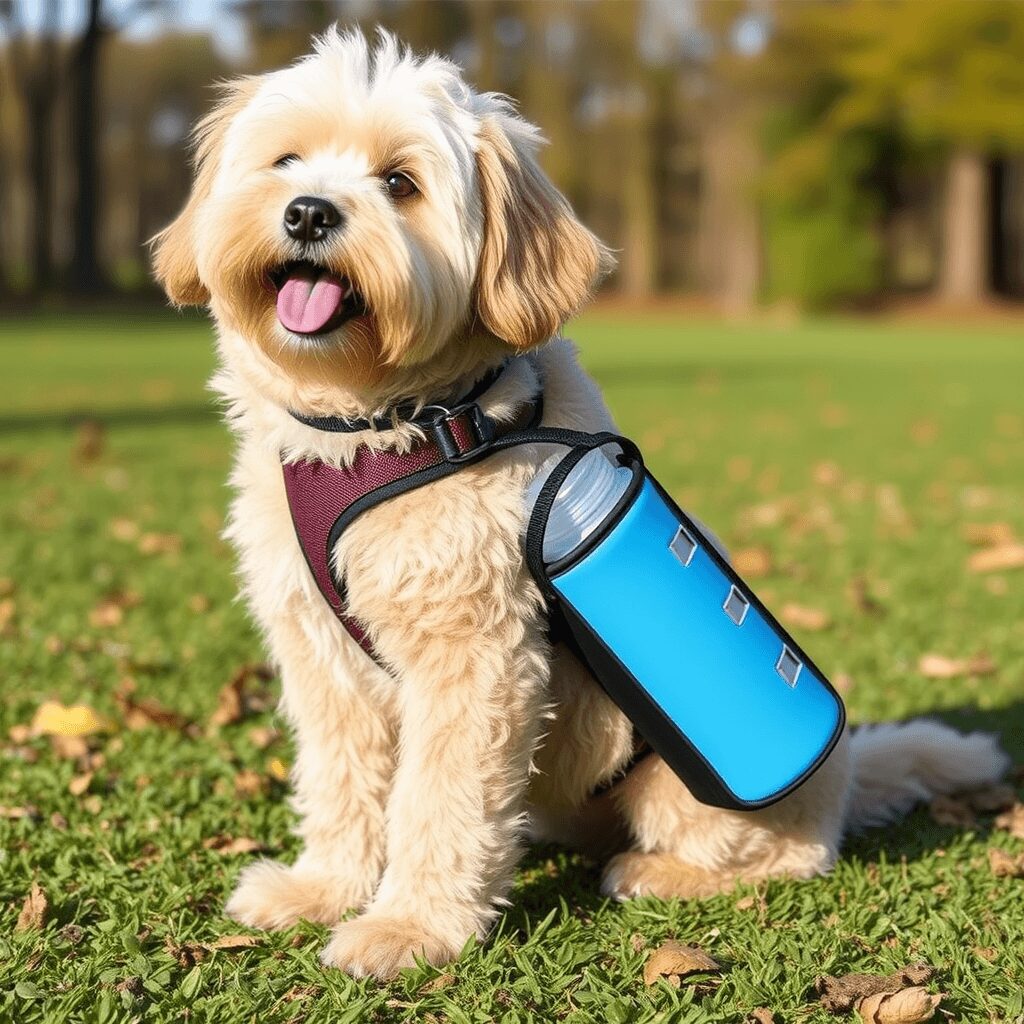
Fresh water, shade, and small breaks can make summer walks much safer for your dog.
Summer walks can be lovely, but hot weather can be hard on dogs.
A walk that feels normal to us can sometimes be too much for them, especially when the sun is strong, the pavement is hot, or there is not enough shade.
Dogs do not cool down exactly like people do. They mainly cool themselves by panting, so heat can affect them faster than we expect.
That is why summer walks need a little extra care.
Always Bring Fresh Water
In hot weather, your dog should always have access to clean, fresh, cool water.
At home, tap water is usually fine if it is safe for people to drink. If the water has a strong taste or smell, filtered water can be a good choice.
On walks, carry water from home. A small bottle and a collapsible bowl are often enough for short walks.
For very hot days, you can carry your dog’s water in an insulated bottle sleeve or a small cooler bag to help keep it fresh and cool for longer.
Plain still mineral water is usually not dangerous in small amounts, but it is better not to use it as your dog’s main everyday water. Some mineral waters can contain higher levels of minerals such as calcium, magnesium, or sodium.
If your dog has kidney, heart, or urinary problems, ask your veterinarian what water is best.
Avoid sparkling water, sugary drinks, milk, seawater, puddles, ponds, or unknown outdoor water sources.
Cool water is enough. It does not need to be ice-cold.
Pack a Small Summer Walk Kit
You do not need to carry too much.
A simple summer walk kit can include:
- fresh, cool water
- a collapsible bowl or dog travel bottle
- an insulated bottle sleeve or a small cooler bag on very hot days
- light dry treats that do not melt easily
- waste bags
- a light towel
- your phone
- a shady route in mind
Dry treats are usually better for hot walks than soft or greasy treats. Keep treats and water separate, and always offer water before or after treats.
The goal is simple: make it easy to give your dog water before they become too tired or overheated.
Offer Water Before Your Dog Looks Exhausted
Do not wait until your dog is very thirsty.
Offer small amounts of water during the walk, especially after play, running, climbing hills, or walking in the sun.
If your dog is panting heavily, slow down and stop in the shade. Let them calm down before drinking.
It is better to offer small amounts more often than one big drink all at once.
Walk Early or Late
The safest summer walks are usually early in the morning or later in the evening.
Avoid the hottest hours of the day when possible. Pavement, asphalt, stone, and sand can become much hotter than the air and may burn your dog’s paws.
A simple test: place the back of your hand on the ground for a few seconds. If it feels too hot for your hand, it is too hot for your dog’s paws.
Choose shade, grass, parks, forest paths, and shorter routes when the weather is hot.
Watch for Signs of Overheating
Stop the walk and move your dog to a cooler place if you notice:
- heavy panting
- too much drooling
- weakness
- slowing down or refusing to walk
- vomiting
- confusion
- wobbling
- collapse
If your dog looks seriously overheated, contact a veterinarian immediately.
Heatstroke is an emergency.
Some Dogs Need Extra Care
Some dogs feel the heat more strongly.
Be extra careful with:
- puppies
- senior dogs
- overweight dogs
- thick-coated dogs
- dark-coated dogs
- flat-faced breeds
- dogs with heart or breathing problems
- dogs that are not used to exercise
For these dogs, summer walks should be shorter, slower, and planned with more shade and more breaks.
Never Leave Your Dog in a Hot Car
Never leave a dog in a parked car in warm weather.
Even a few minutes can be dangerous. Cars can heat up very quickly, even with the windows slightly open.
If you need to go somewhere that does not allow dogs, it is safer to leave your dog at home.
A Safer Summer Walk
A good summer walk is not the longest walk.
It is the walk where your dog comes home safe, calm, and well hydrated.
- Bring water.
- Choose cooler hours.
- Stay in the shade.
- Avoid hot surfaces.
- Take breaks.
- Watch your dog.
With a little preparation, summer walks can feel calmer and safer for both you and your dog.
DoggoWalk helps you keep walks, routines, and reminders easier to follow, while DogLeams can support gentle learning, training habits, and everyday progress.
Because in summer, a little preparation can make every walk safer.
Sources
Royal Veterinary College — Heatstroke in Dogs and Cats
University of Surrey — Heatwave Advice for Animals
Cornell University College of Veterinary Medicine — Summer Heat Safety Tips for Dogs
Cornell University College of Veterinary Medicine — Heatstroke: A Medical Emergency